

On the eve of the semi-finals of the FIFA World Cup, WHO teams up with Didier Drogba and other international football icons to urge action by governments and people across the world to achieve health for all.
Health

Universal health coverage and health security are intertwined goals to protect everyone, everywhere, in crisis and calm. For health systems to work, they must work for everyone. Equitable health coverage puts women, children, and the most vulnerable first because they face the most significant barriers to essential care. Join us on this International Universal Health Coverage Day (12 December) to demand action on universal health coverage and call on leaders to invest in health systems and primary healthcare for all, to leave no one behind. Our lives, livelihoods and futures depend on it.
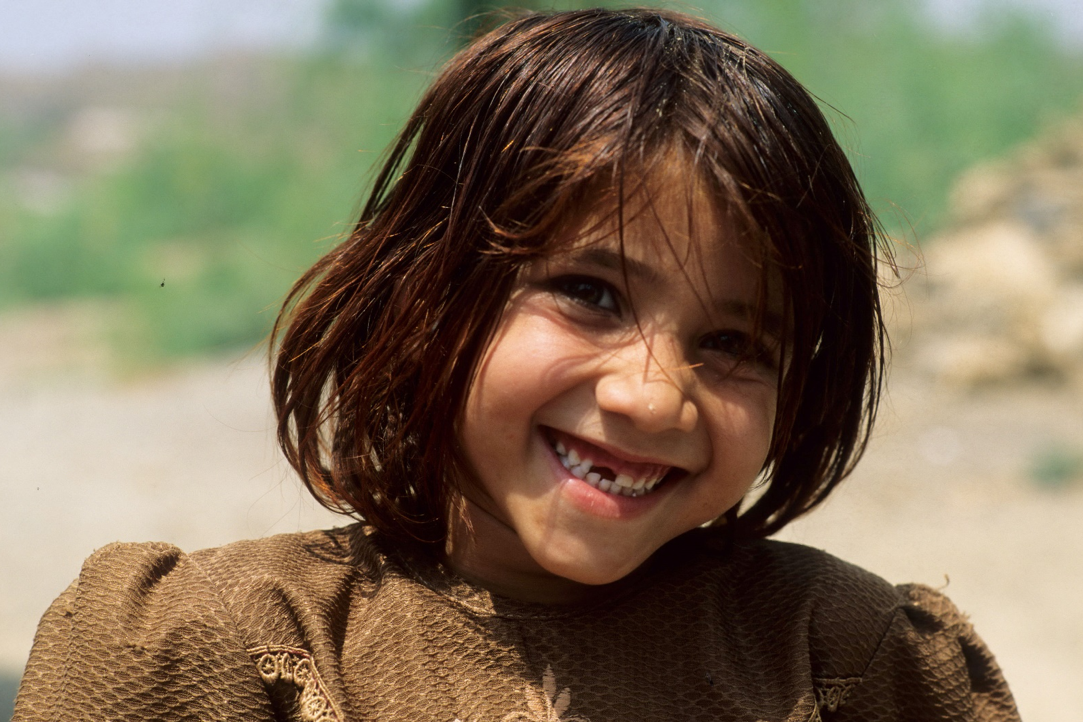
At UNOPS we're working with partners on projects that help tackle some of the world’s biggest health challenges, providing our expertise and experience in delivering resilient infrastructure, sustainable procurement solutions and more.
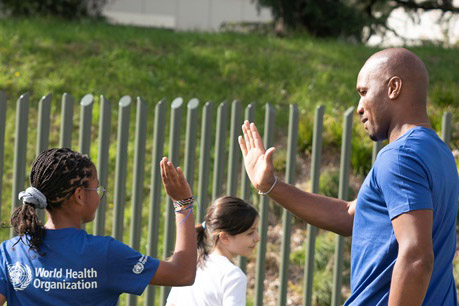
FIFA and WHO launched the #BringTheMoves challenge, encouraging players at the FIFA World Cup 2022™ to meet the celebration challenges presented to them on social media by fans across the globe and encourage youngsters to #BeActive.
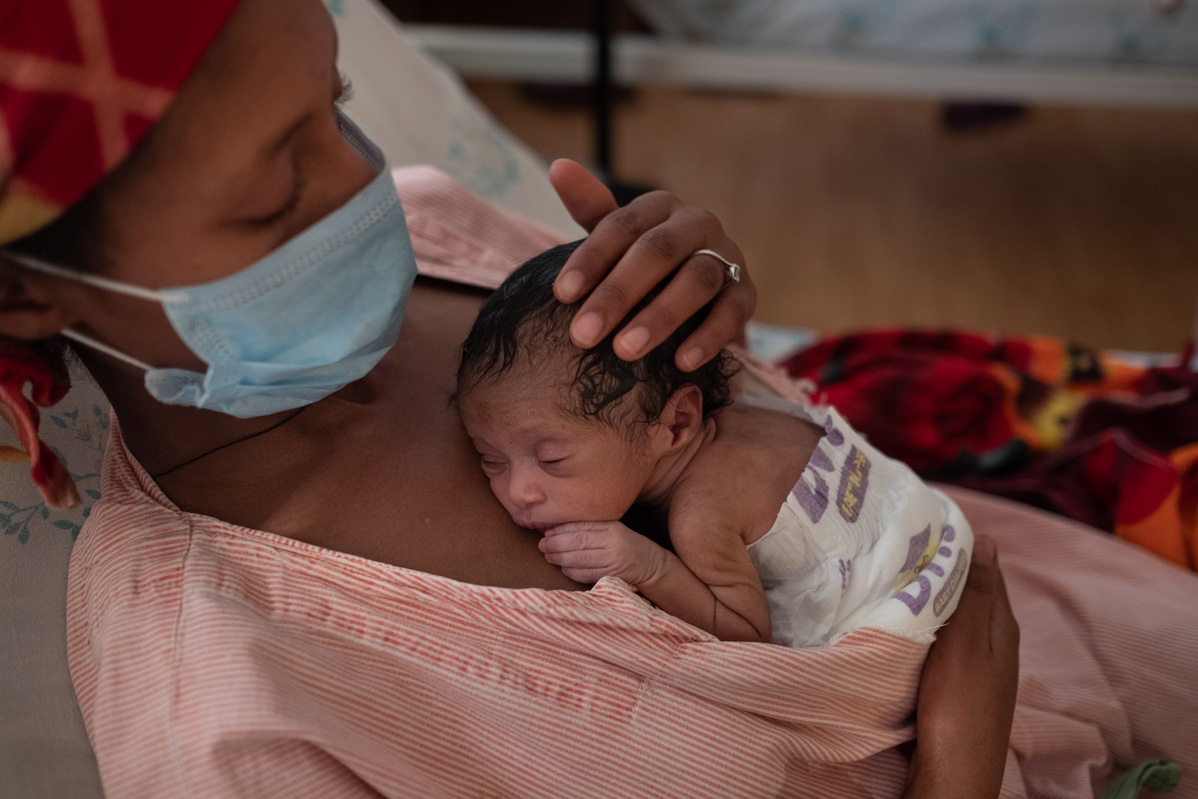
WHO today launched new guidelines to improve survival and health outcomes for babies born early (before 37 weeks of pregnancy) or small (under 2.5kg at birth). The guidelines advise that skin to skin contact with a caregiver – known as kangaroo mother care – should start immediately after birth, without any initial period in an incubator. This marks a significant change from earlier guidance and common clinical practice, reflecting the immense health benefits of ensuring caregivers and their preterm babies can stay close, without being separated, after birth.
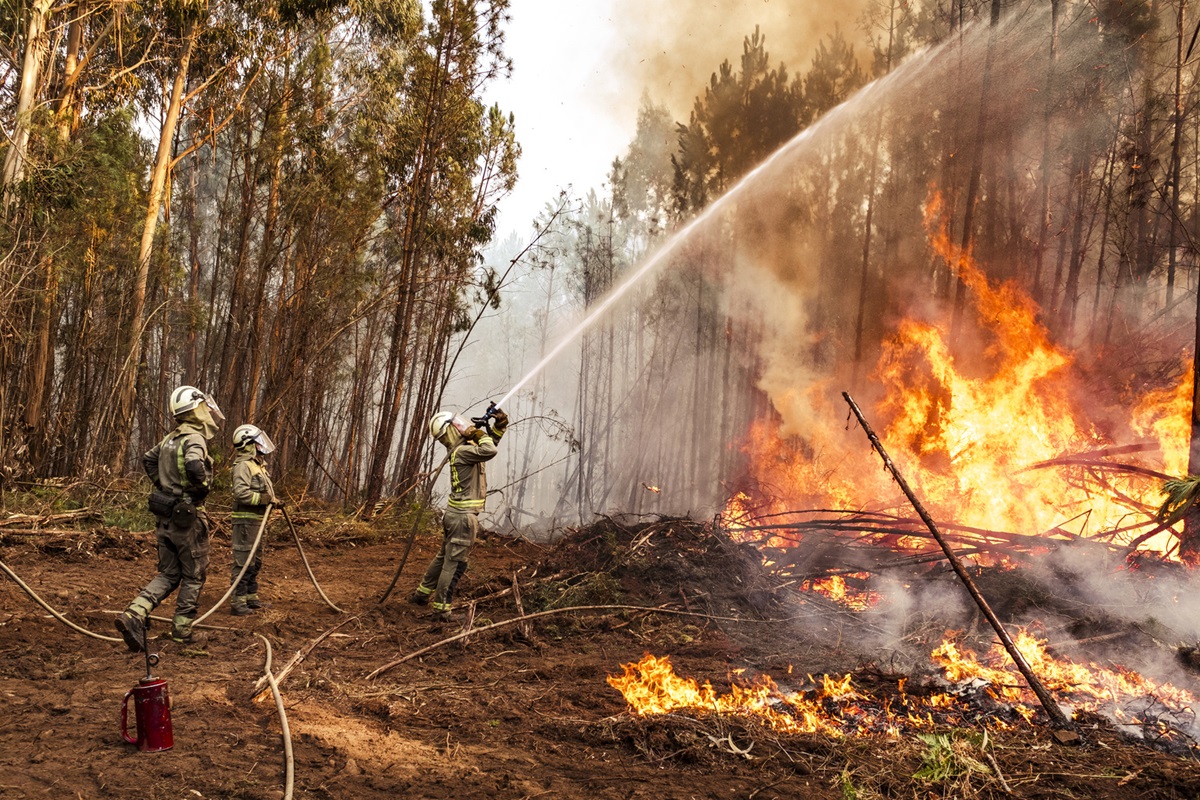
Our health depends on the health of the ecosystems that surround us, and these ecosystems remain under threat from deforestation, agriculture, changes in land use and rapid urban development. WHO issues a grim reminder that the climate crisis continues to make people sick and jeopardizes lives. Health must be at the core of climate change negotiations. COP27 is a crucial opportunity for the world to re-commit to keeping the 1.5 °C Paris Agreement goal alive. Tacking the climate crisis requires progress on mitigation, adaptation, financing and collaboration.
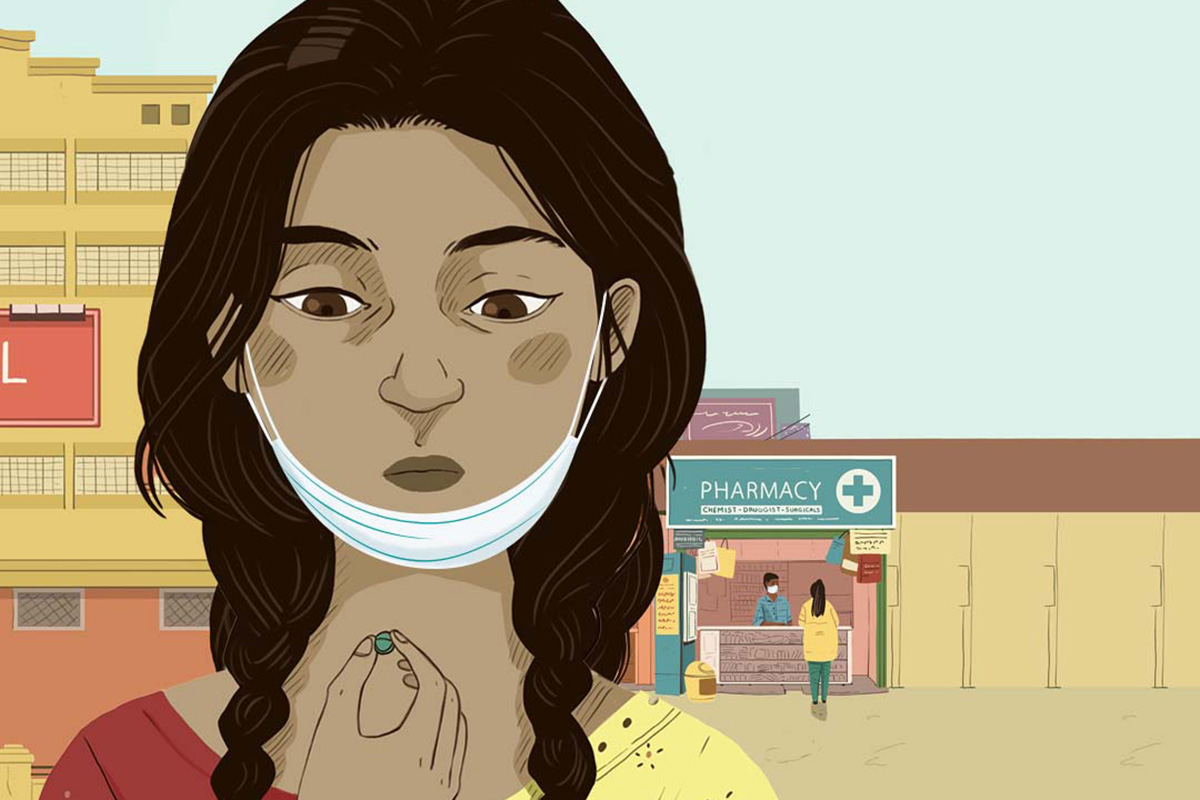
Antimicrobial resistance (AMR) occurs when bacteria, viruses, fungi and parasites change over time and no longer respond to medicines. As a result of drug resistance, antibiotics and other antimicrobial medicines become ineffective and infections become increasingly difficult or impossible to treat. Researchers estimated that AMR in bacteria caused an estimated 1.27 million deaths in 2019. World Antimicrobial Awareness Week (13 – 19 November) is a WHO global campaign that is observed annually to improve awareness and understanding of AMR and encourage best practices among the public.
WHO calls for short films for the 4th edition of the Health for All Film Festival, recruiting year after year a new generation of film and video innovators to champion and promote health issues.
As an Artivist, Nikkolas Smith's mission is to inspire people to take action and make a positive change in the world. His latest artwork is part of an exhibition presented and organized by the UNFPA-UNICEF Joint Programme on the Elimination of Female Genital Mutilation (FGM). The exhibition highlighted the importance of engaging men and boys in eliminating female genital mutilation.
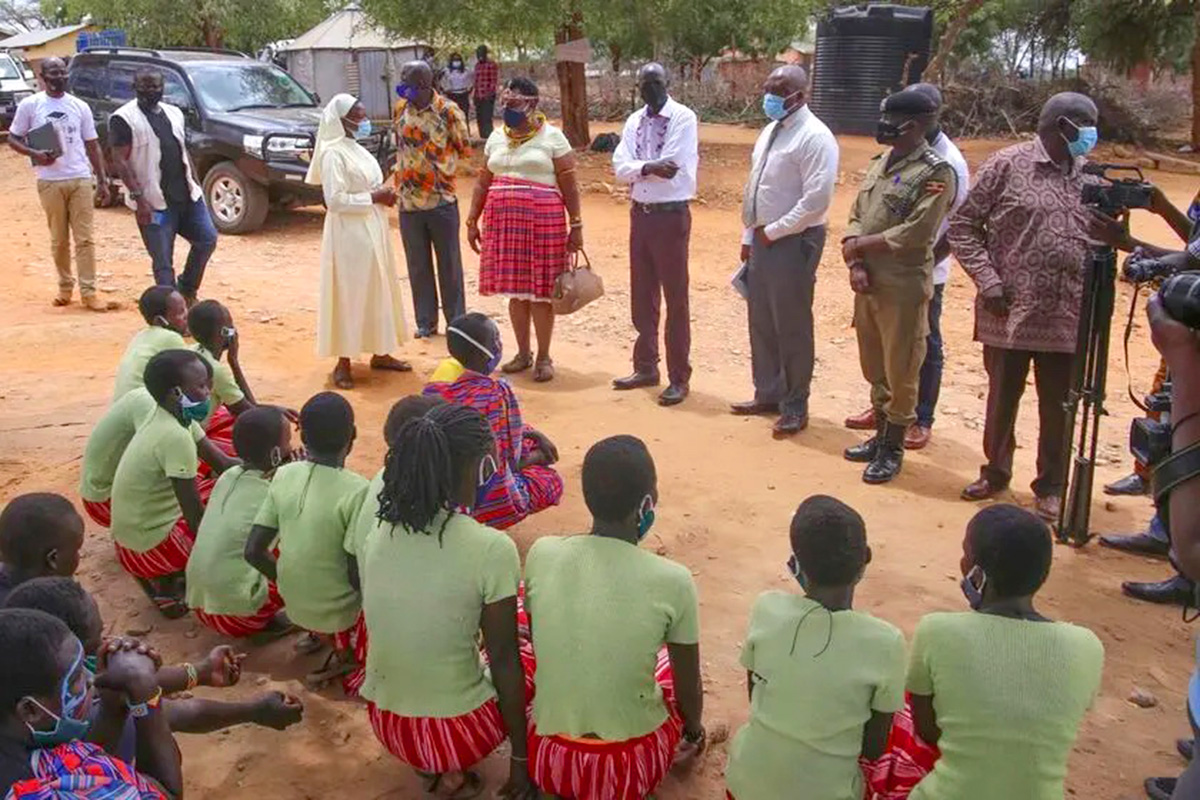
UNFPA reports on Pokot girls being lured into Kenya from Uganda, at the height of the COVID-19 pandemic. The reason: To undergo female genital mutilation. The perpetrator: One of their friends.
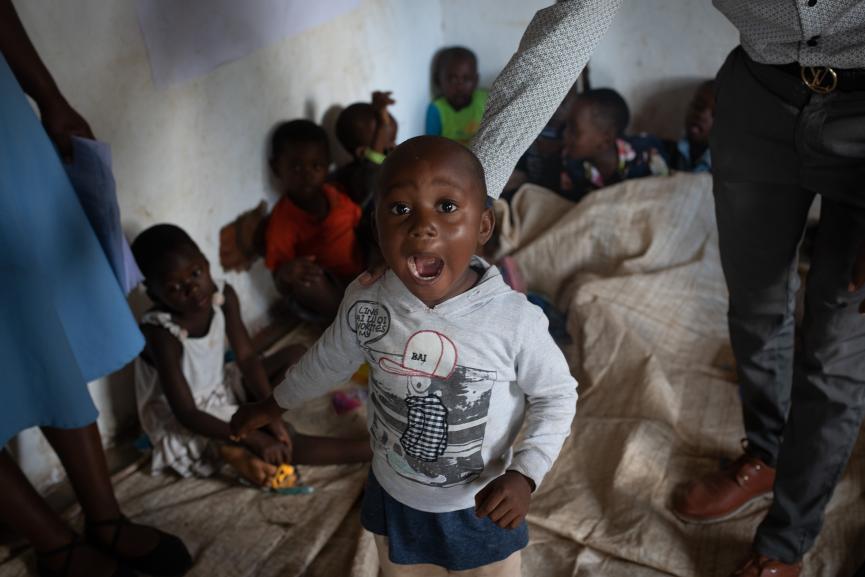
After millennia of living with poliovirus and the suffering the paralysis it causes, today nearly everyone lives in a polio-free country. However, cases of polio have been recently reemerging worldwide, including in Malawi. There are several factors behind those outbreaks, including conflict and displacement, disruptions caused by the COVID-19 pandemic, and vaccine hesitancy. With support from UNICEF, a nationwide immunization campaign was launched in Malawi in March 2022 and its impact has been profound. Since the vaccination drive began, about 9 million children in Malawi have received a polio vaccination. Find out more about the campaign here.
A new One Health Joint Plan of Action was launched by FAO, UNEP, WHO, and partners. This first joint plan aims to integrate systems to better prevent, predict, detect, and respond to health threats. This initiative seeks to improve the health of humans, animals, plants, and the environment, while contributing to sustainable development. The five-year plan focuses on expanding capacities in six areas: health system capacity, zoonotic epidemics, endemic zoonotic, neglected tropical and vector-borne diseases, food safety risks, antimicrobial resistance and the environment.

Research by the ILO and the WHO has found that billions of working days – and billions of dollars – are lost every year because of work-related mental health issues. What are the psychosocial risks associated with modern workplaces, and can we make mentally healthy workplaces the new norm? In this episode of the Future of Work Podcast, Susanna Harkonen, WHO’s Pan-European working group on workplace mental health, and Nina Hedegaard Nielsen, occupational health and safety at The Danish Confederation of Professional Associations, explore how we can improve psychosocial health and safety at work.

The World Health Summit (16-18 October) is the international strategic forum for global health. Held annually in Berlin, it brings together stakeholders from politics, science, the private sector, and civil society to set the agenda for a healthier future by inspiring innovative solutions for better health and well-being for all. The World Health Summit strengthens collaboration and open dialogue guided by science, fosters global health as a key political issue and promotes the global health debate in the spirit of the UN Sustainable Development Goals: SDG 17 “Partnership for the Goals.”