Big changes start small. The impact of COVID-19, climate change and conflict affect us all. Don't give up on adults, only together can we change the world.
More about UNICEF's work.
Big changes start small. The impact of COVID-19, climate change and conflict affect us all. Don't give up on adults, only together can we change the world.
More about UNICEF's work.
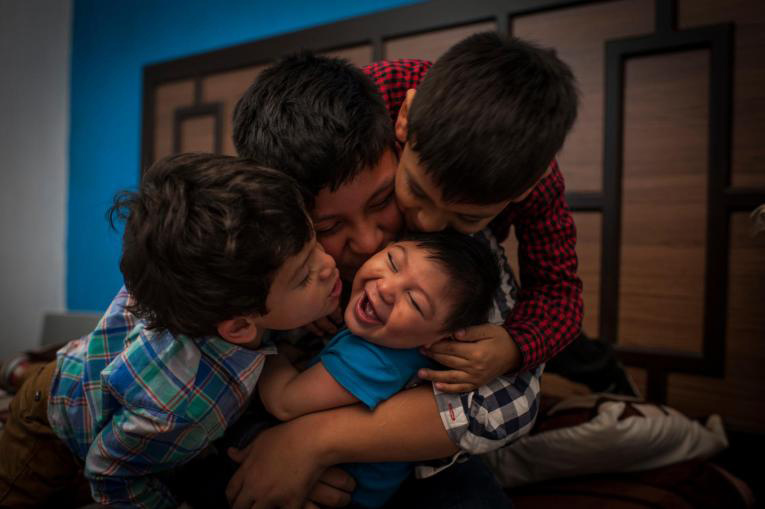
The number of children with disabilities globally is estimated at almost 240 million, according to UNICEF’s most comprehensive statistical analysis to date. “This new research confirms what we already knew: Children with disabilities face multiple and often compounding challenges in realizing their rights,” said UNICEF Executive Director Henrietta Fore. The report includes data from 42 countries and covers more than 60 indicators of child well-being – from nutrition and health, to access to water and sanitation, protection from violence, and education.
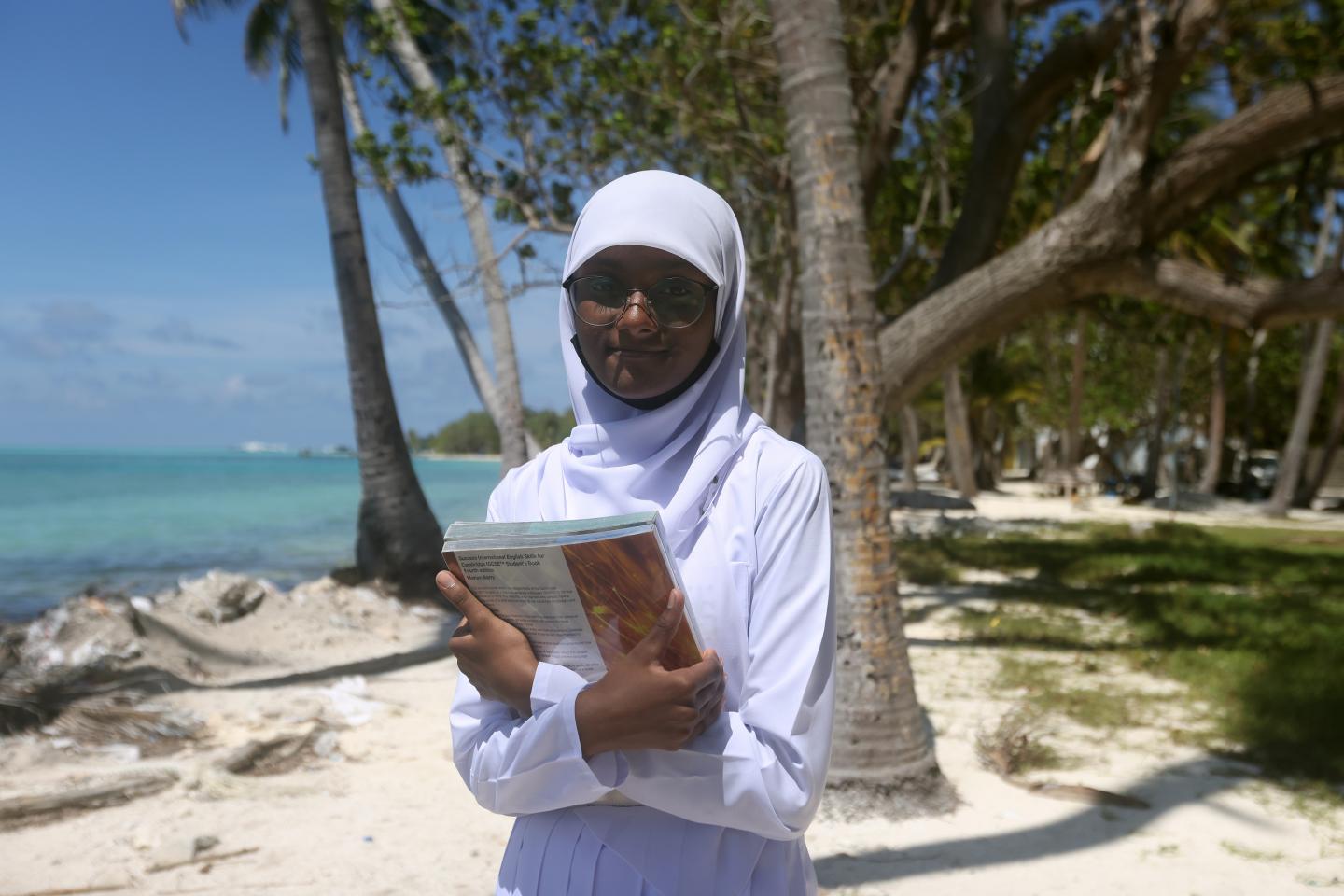
“When there are floods, we take our shoes and socks off and put them in our school bags,” says Fathimath. “We have to wade through the water to our classrooms.” Fathimath’s school is on a small island about a 45-minute boat ride from Male, the capital of Maldives – and just 30 metres from the ocean. The only thing protecting the school from rising sea levels are a handful of coconut palms, some of which have already collapsed into the sea, and a line of sandbags packed under the school’s main gate. Even with this precaution, the area still floods a few times a year, covering the school courtyard.
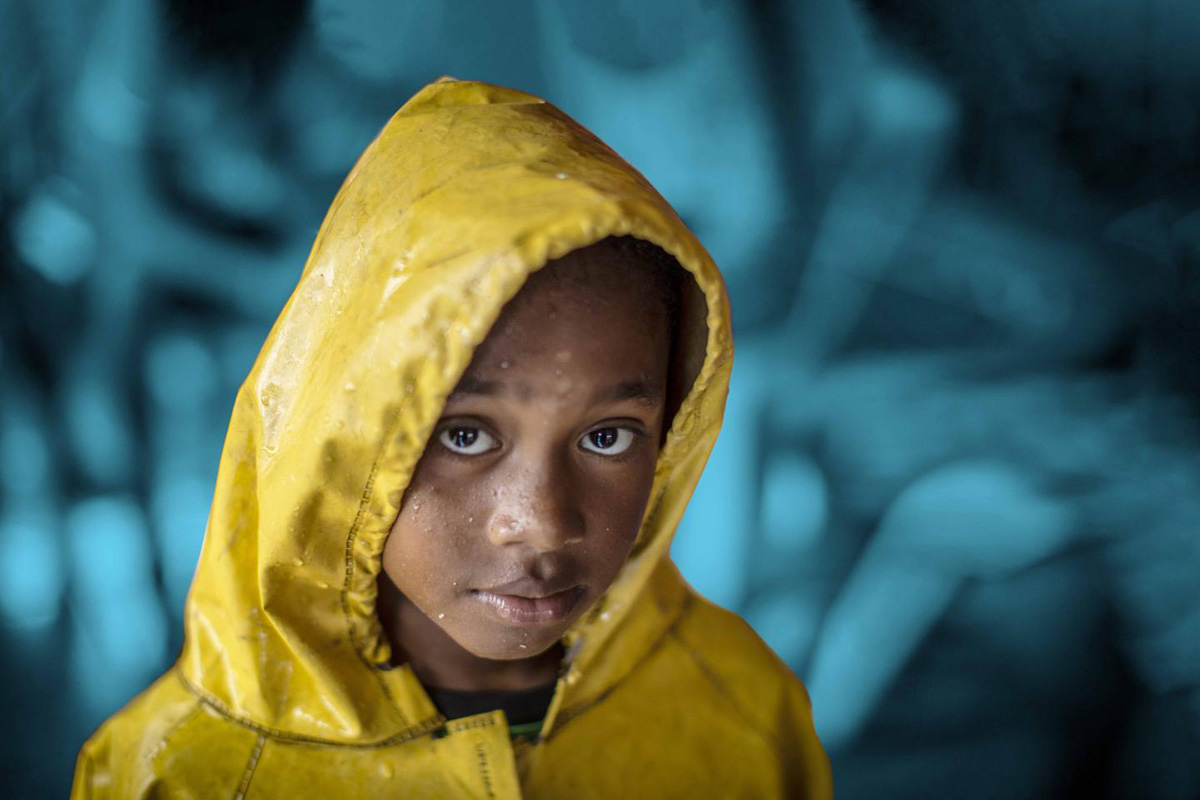
The UNICEF report presents the Children’s Climate Risk Index, which uses data showing new global evidence on how many children are currently exposed to climate hazards, shocks and stresses.
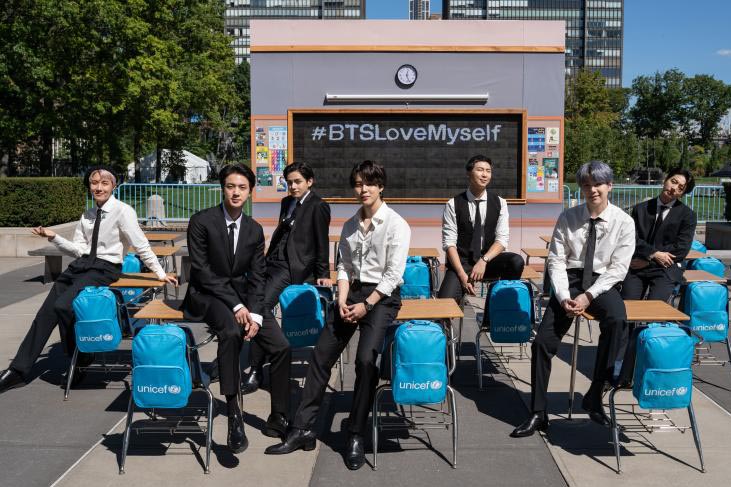
UNICEF and pop icons BTS are marking the groundbreaking success of the LOVE MYSELF campaign this week, with the campaign reaching almost every country in the world with positive messages of self-care.
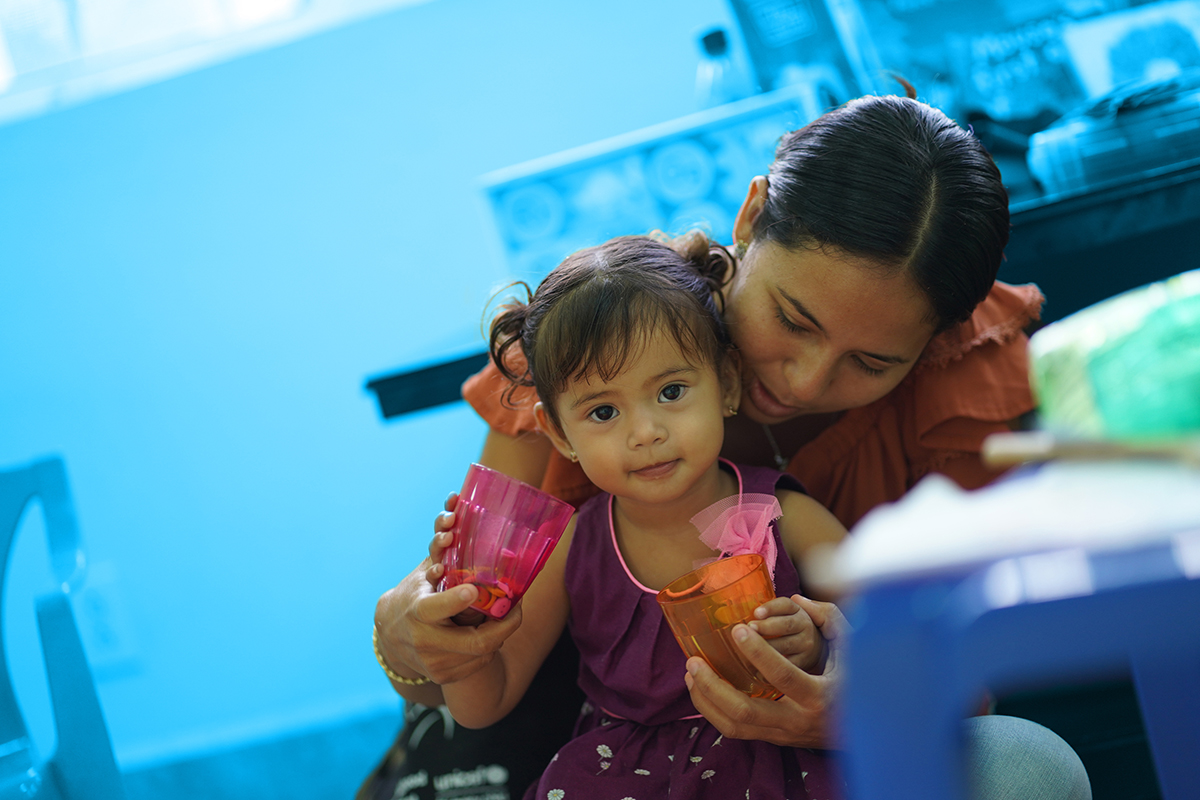
The COVID-19 pandemic has raised concerns about the mental health of a generation of children. But the pandemic may represent the tip of a mental health iceberg – an iceberg we have ignored for far too long. The State of the World’s Children 2021 examines child, adolescent and caregiver mental health. It focuses on risks and protective factors at critical moments in the life course and delves into the social determinants that shape mental health and well-being. It calls for commitment, communication and action as part of a comprehensive approach to promote good mental health for every child.
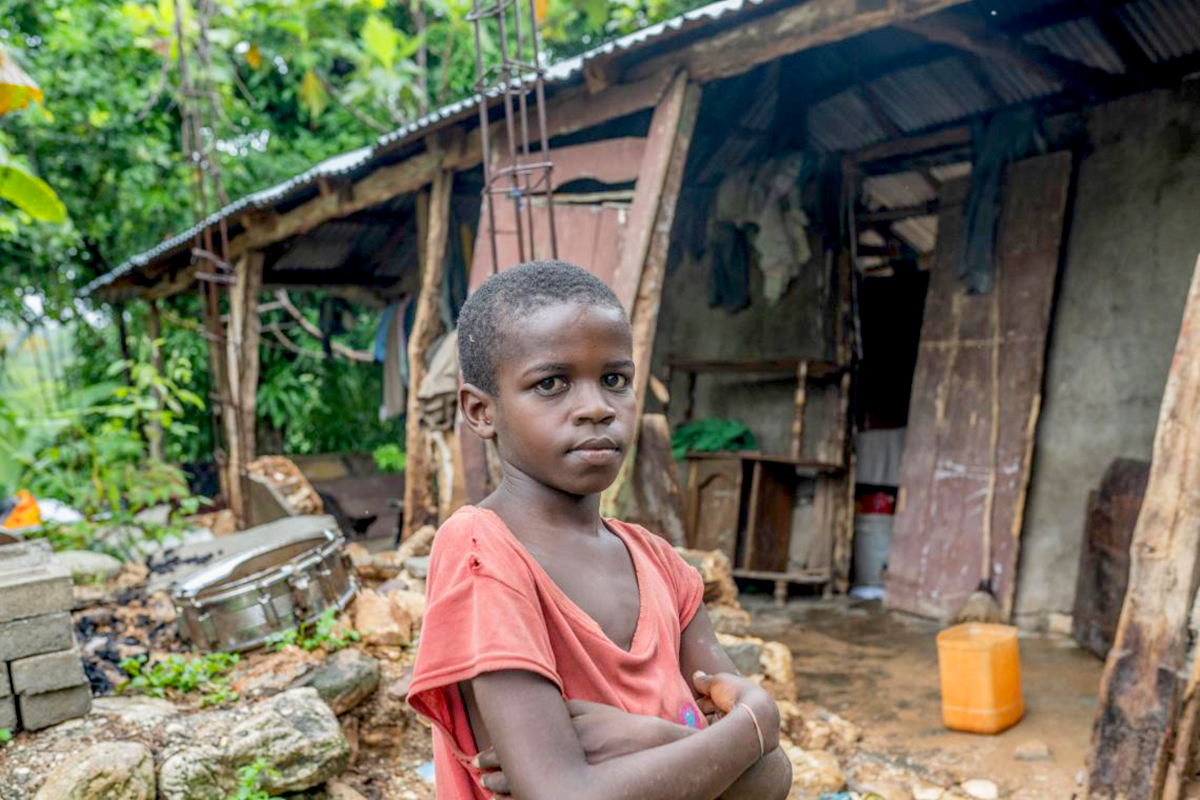

In collaboration with the renowned Magnum Photos agency, UNICEF presents an in-depth look at the pandemic experiences of children and young people across six countries. We hope you are moved by their stories and join UNICEF in advocating for a renewed global commitment to an inclusive recovery for children everywhere. The future of an entire generation is at stake.

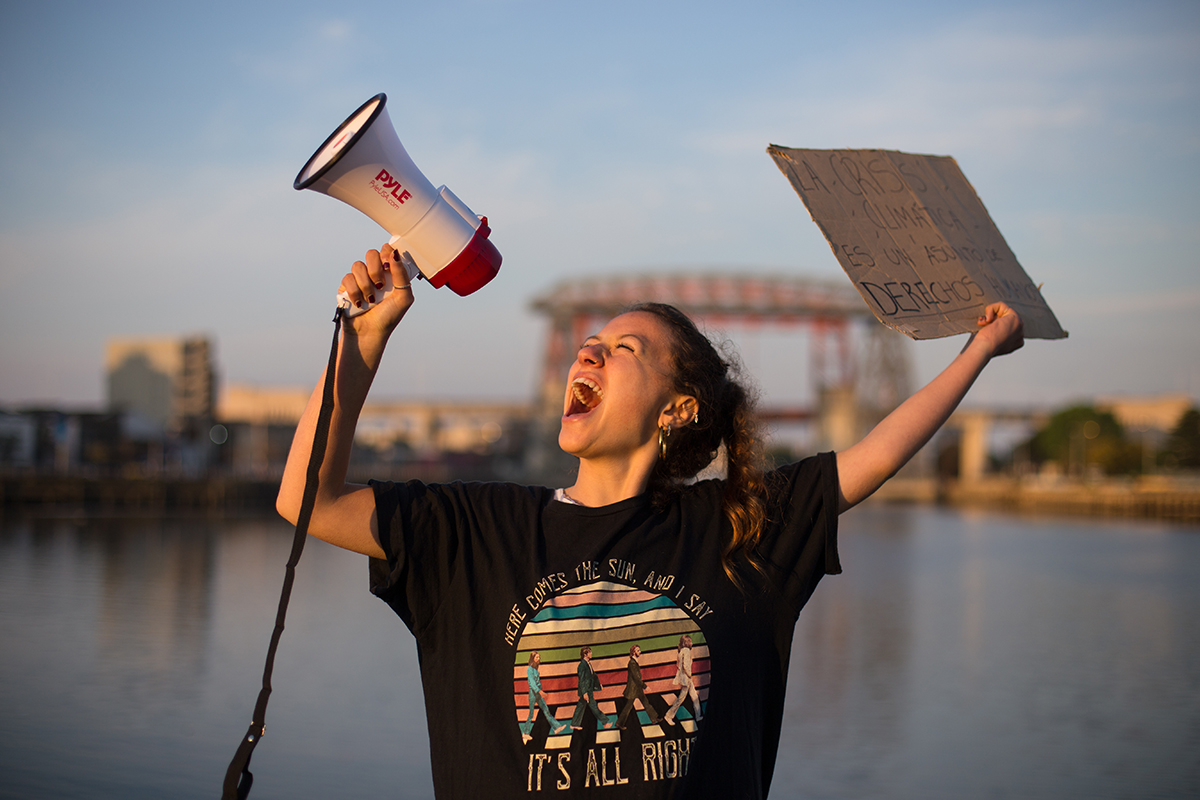
2020 was the hottest year on record. Climate and environmental hazards are having devastating impacts on the well-being and future of children. UNICEF is teaming up with young climate activists to raise awareness about climate change and the need to act.
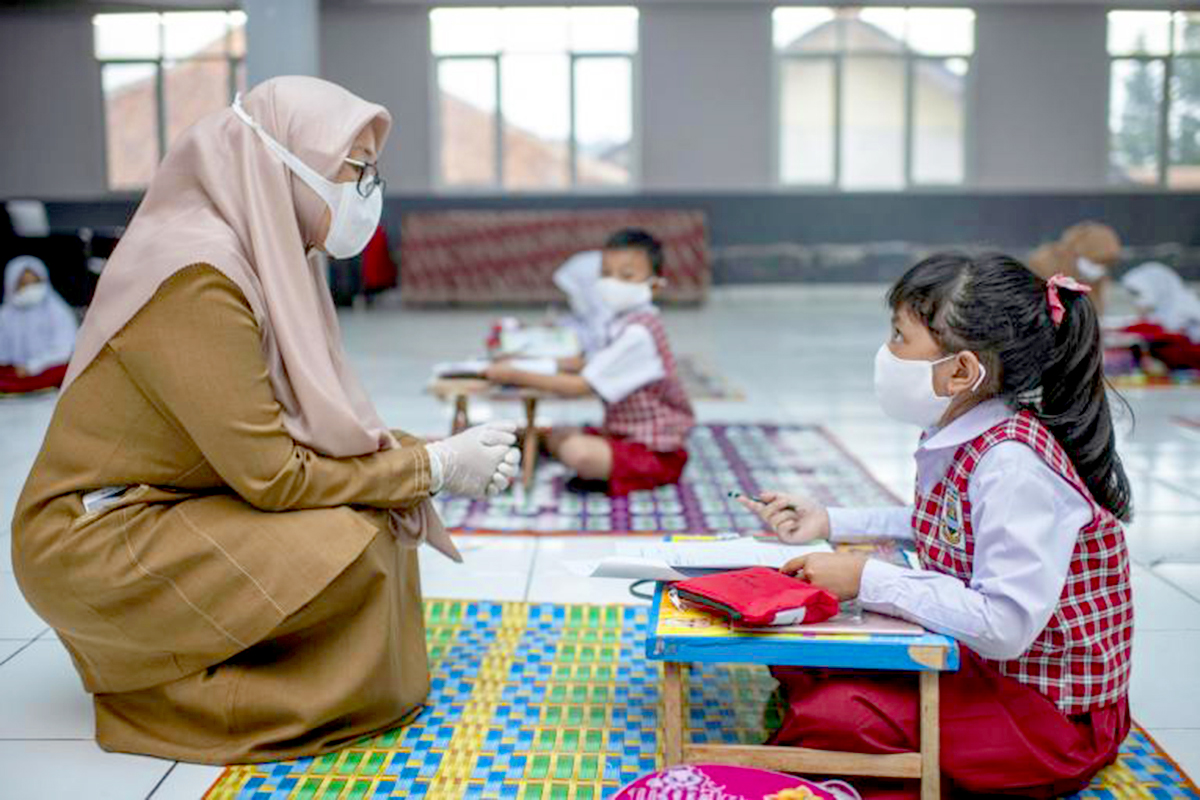
A child's first day of school—a landmark moment for the youngest students and their parents around the world—has been delayed due to COVID-19 for an estimated 140 million young minds, according to a new analysis by UNICEF. For an estimated eight million of these students, the wait for their first day of in-person learning has been over a year and counting, as they live in places where schools have been closed throughout the pandemic. For the most vulnerable, their risk of never stepping into a classroom in their lifetime is skyrocketing.
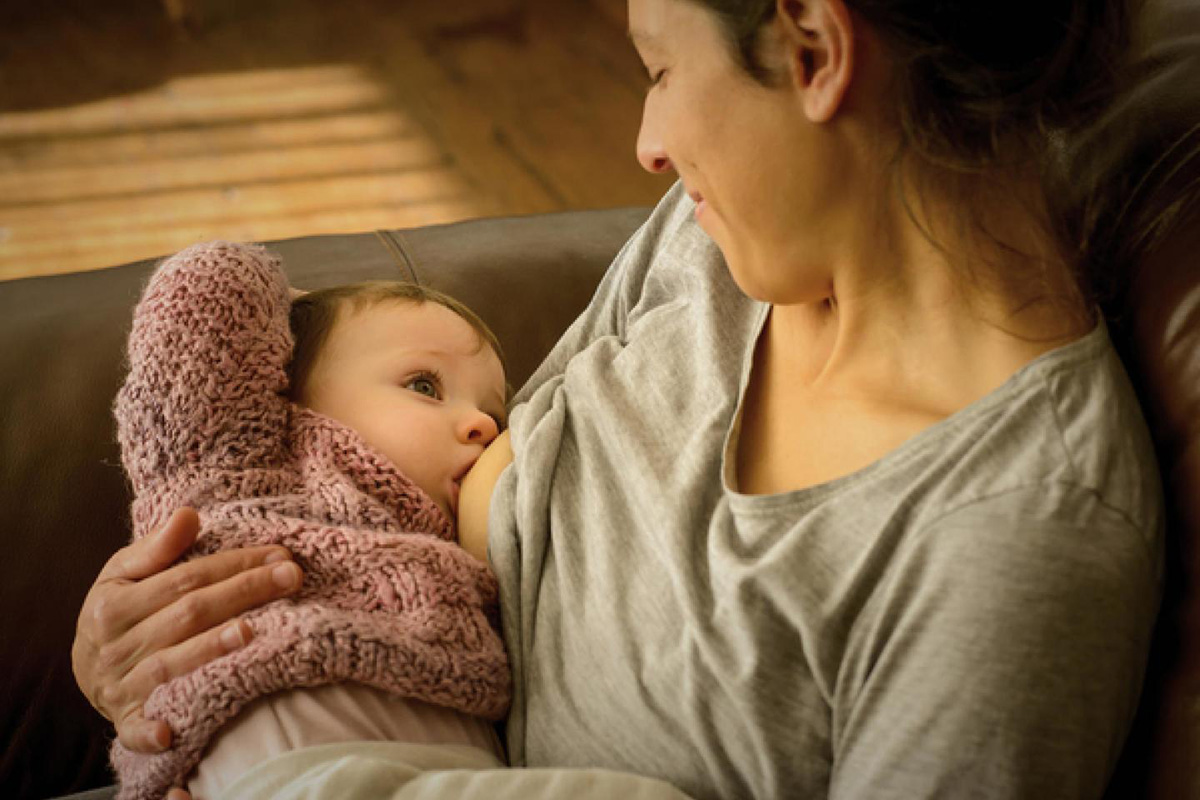
UNICEF answers some common questions from new and expecting mothers to help provide the safest experience for you and your baby, about breastfeeding during the COVID-19 pandemic.
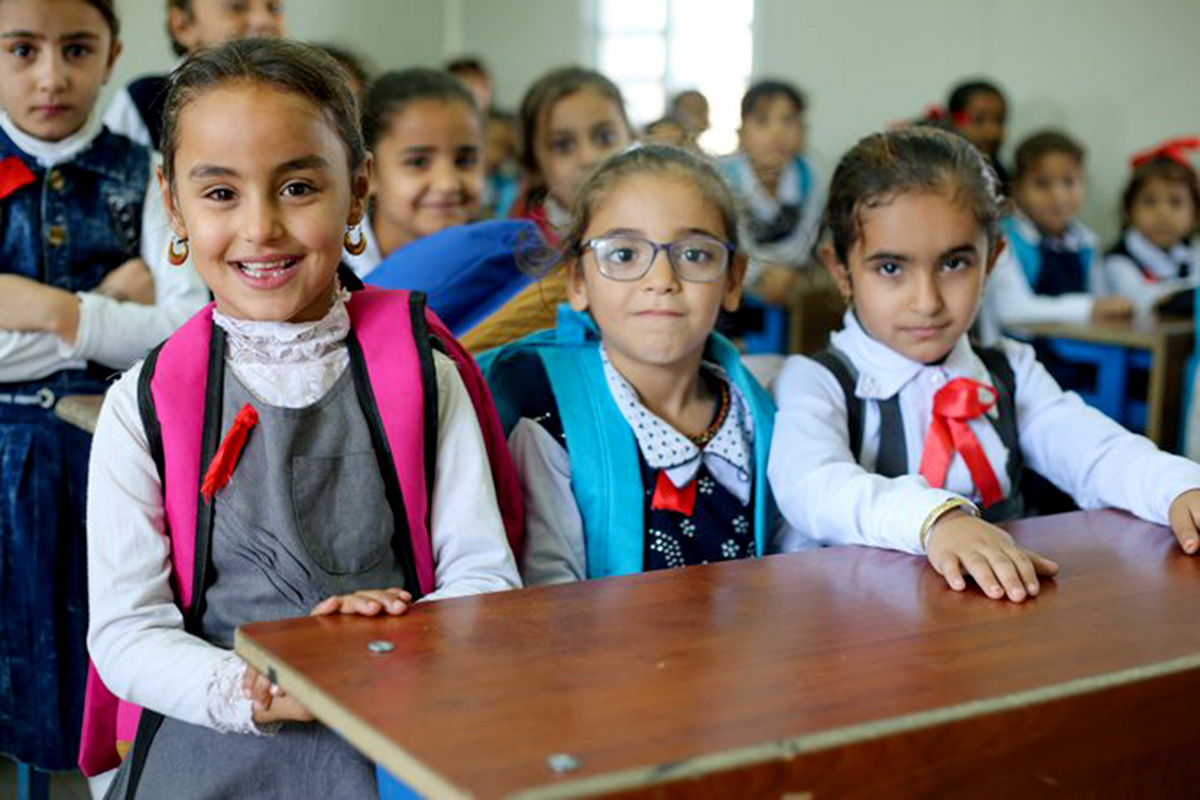
To support the Government of Iraq in its goals to achieve universal and equitable education – especially for forcibly displaced children and youth impacted by years of war and conflict – Education Cannot Wait (ECW) announced a new programme that will reach a total of 192,100 girls and boys. The initial US$12.5 million seed-funding grant will reach 36,500 children and youth, 60 per cent of whom are girls. The programme seeks to mobilize US$35.5 million in additional resources. ECW is the United Nations global fund, administered by UNICEF, for education in emergencies and protracted crises.